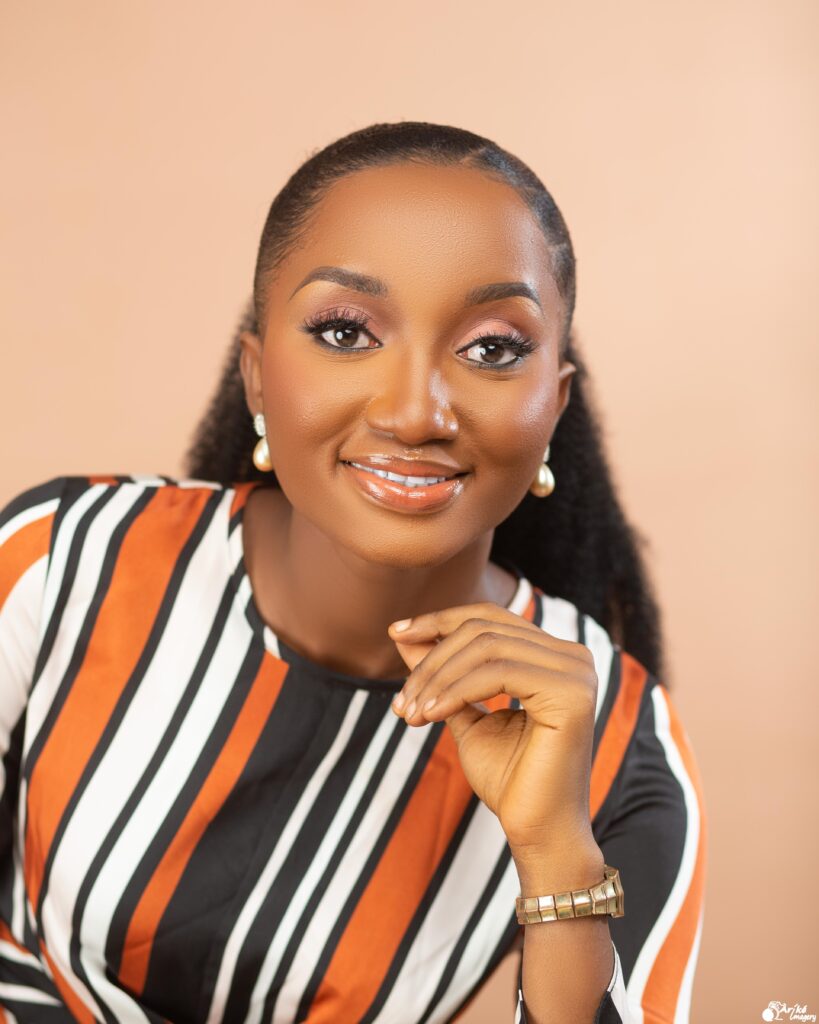
Beyond the label: Mental Wellbeing, Learning, Identity & Resilience
After everything – the beatings, the church, the silence, the shame, the years of sitting in corners – Adunola graduated as the best student at one of the most prestigious universities in Africa.
And then, she says, God reminded her of where she had come from.
She had plans. To travel. To build a career elsewhere. To leave. A lot of us who grow up carrying invisible weight spend years dreaming of a fresh start somewhere new – somewhere nobody knows the version of you that struggled.
But Adunola went back.
Not because it was easy. But because she saw children like the child she had been, she could not keep walking.
What She Built
From a single decision to start sharing her story on social media, Dyslexia Project Africa was born. She shared her story. She found her co-founders. She built a team. And she got to work.
She became a certified dyslexia coach and trained in structured literacy. She developed the Dyslexia Mentorship Academy – the first of its kind in the world. It blends professional expertise with something no textbook can give you: lived experience.
“I walk people with dyslexia through their journey based on my lived experience and professional knowledge,” she explains. “I equip them with learning and living skills.”
That word – living – matters. Because Adunola knows what often gets missed in the conversation about dyslexia support: teaching a child to read is not enough. If that child has spent years being shamed, isolated, and told they are broken – they need more than phonics. They need to believe in themselves again. To understand their strengths. To learn how to move through a world that was not designed for their brain – not just academically, but socially, emotionally, and professionally.
She is currently completing her master’s degree in special education. She is doing the research. She is building the evidence base. She is in it for the long game.
The Strength That Was Always There
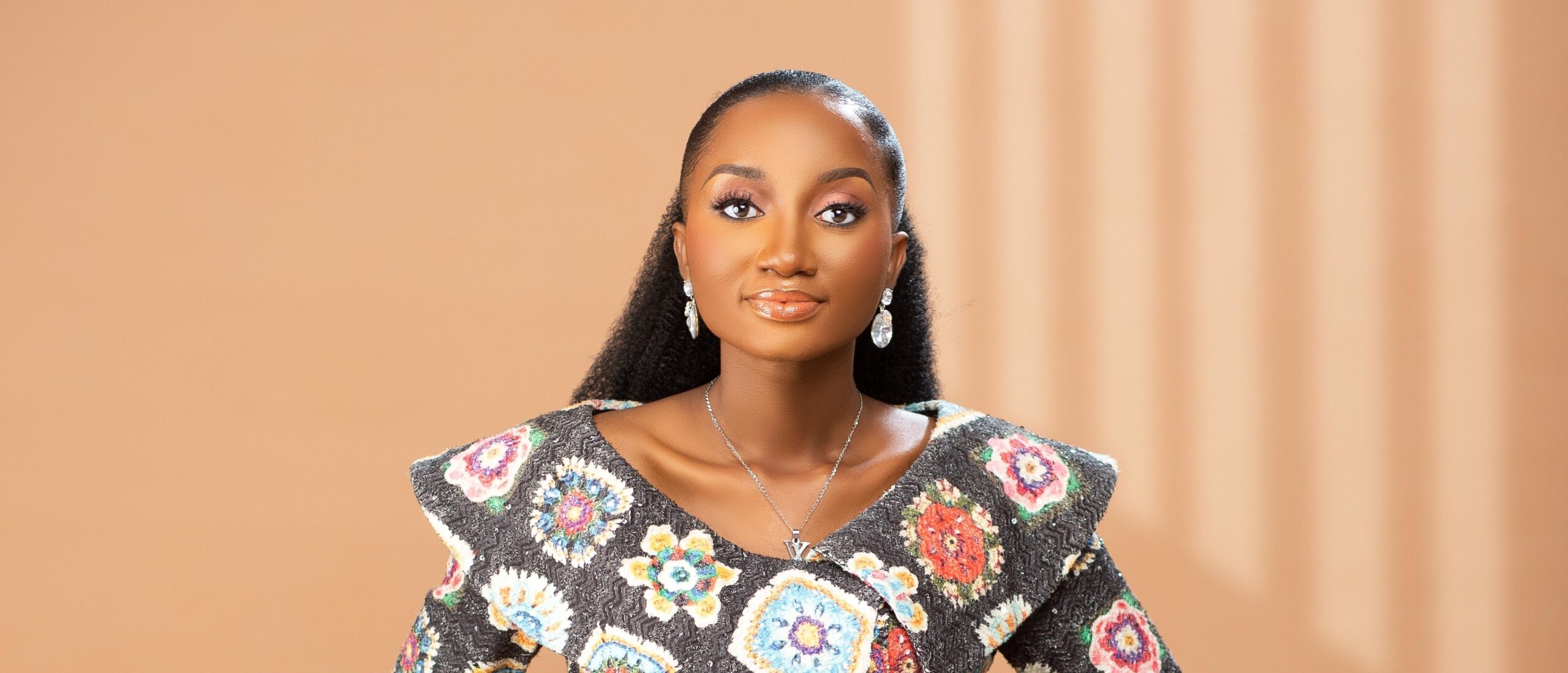
One of the things I love most about how Adunola talks about dyslexia is that she refuses to flatten it into either a tragedy or an inspiration story. It is both complicated and triumphant. It is painful and powerful. And she holds all of it.
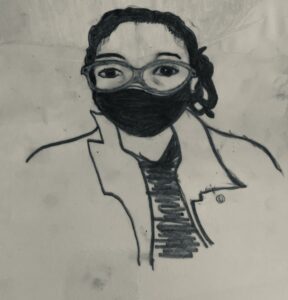
She talks about being good at drawing as a child – genuinely talented – and nobody noticing. Everyone was too focused on what she couldn’t do. She talks about the way ideas come to her now: fast, vivid, layered. She sat with her laptop one evening and built an entire concept for a global birthday reading event – flyer, framework, and the whole thing – almost in one sitting. When her friends saw it, they were genuinely amazed.
“We are naturally innovators,” she says. “If we are confident enough to execute our ideas, we can create things that have never existed before.”
This is what we see, again and again, when dyslexic people are given permission to be who they are. Kate Griggs is reframing the entire narrative with Made By Dyslexia – showing the world that dyslexic thinking is not a deficit; it is a different and valuable way of processing the world. And now Adunola is doing it from the African continent itself, in schools and homes where the word ‘dyslexia’ is still barely spoken.
Different backgrounds. Different industries. Different ways the learning difference shows up in several individuals’ daily lives. But all of them are pointing in the same direction: there is something in this way of thinking – this different way of seeing, connecting, and creating – that the world genuinely needs.
This doesn’t mean dyslexia isn’t hard. It is. Every single day, in different ways, for different people.
But so is this: when you stop trying to fix a person with dyslexia and start trying to understand them, this is how their needs can be accommodated.
What Must Change
I asked Adunola what she believes needs to shift – in Africa and globally.
“Individuals with dyslexia should be seen beyond their mistakes.”
She remembers being that child who was good at drawing, who thought in ways nobody around her understood, and who had integrity fierce enough to refuse to cheat even when a teacher set her up to do exactly that. Nobody was looking at those things. Everyone was looking at what she couldn’t do.
She wants something radical – and something simple. She wants children with dyslexia to be treated as human beings. To have friends. To be welcomed in classrooms. To be loved by their parents unconditionally. To be protected – not beaten – by the teachers entrusted with their care.
“I can’t imagine,” she says, and there is genuine bewilderment in her voice, “why I could be bullied just because I was neurologically different.”
The stigma, she is clear, is not uniquely African. It lives in every system that was built for one kind of learner and treated everyone else as a problem to be managed. But where awareness is low, where resources are scarce, where punishment is still used as a teaching tool, and where learning differences can be explained away as laziness or worse, the consequences are uniquely severe.
This is why the work that is happening – from the British Dyslexia Association to Dyslexia Project Africa, from advocates and educators and parents and researchers across the world – matters so much. Every conversation. Every post. Every school visit. Every child who hears you are not broken for the first time – it matters. And it adds up.
A Word Before We Close
Adunola’s story is hers. It is powerful and true, and it belongs to her. But it is not the definitive experience of every child growing up in Nigeria or across the African continent. Systems are complex. There are teachers and parents and communities across Africa doing extraordinary work every day. There are pockets of awareness and compassion that exist even where formal structures do not.
Adunola’s story is a truth. A truth that too many children share. A truth that deserves to be heard without being minimised or flattened into a generalisation. She holds her experience with honesty and without bitterness. She is not asking for pity. She is asking for change. And she is doing the work herself to make that change real.
For the Child Still in the Corner
If you are a young person – anywhere – who has been told you are slow or lazy or not cut out for this life or spiritually troubled or simply too much and not enough at the same time:
Adunola has something to say to you directly.
“Hold on. There is no limit to what you can become with dyslexia. Don’t give up on your dreams.”
Not as a slogan. As testimony.
The girl who couldn’t write her own alphabet at age nine became the best graduating student of the University of Ibadan. The child who was beaten for refusing to cheat became the woman building the first dyslexia mentorship academy of its kind in the world. The student who sat in the corner and never spoke became someone whose voice – when she finally found it – carries the weight of every child she once was.
Dyslexia did not happen to her.
She is, as she puts it, a dyslexic achiever. And she has always been more than enough.
Connect with Adunola
LinkedIn: https://www.linkedin.com/in/adunola-shoge/
Instagram: https://www.instagram.com/adunola_shoge
Post 1: She Faced Reading Challenges – Then Became Her University’s Best Graduate.
Post 2:When Dyslexia Was Mistaken for a Spiritual Problem
Post 3 : The Dyslexic Achiever: What She Built Beyond Survival
Adunola is the co-founder of Dyslexia Project Africa and a certified dyslexia coach, currently completing her master’s degree in special education.
This series – Beyond the label: Mental Health, Learning, Performance & Identity – explores the lived experiences of a young person navigating education, identity, and wellbeing.
If this series has resonated with you, share it. Tag a teacher, a parent, an educator, or anyone who works with young people. And if you are supporting a child with a learning difference, know that the most powerful thing you can do – before the assessments, the strategies, and the interventions – is to make sure they know they are seen, believed in, and not alone.
That is where it starts.
Discover more from Thrive Beyond Labels
Subscribe to get the latest posts sent to your email.