Before we begin
Listen to Post 1 of This 3-Part Series: Audio version
Beyond the Label – Learning, Identity & Resilience
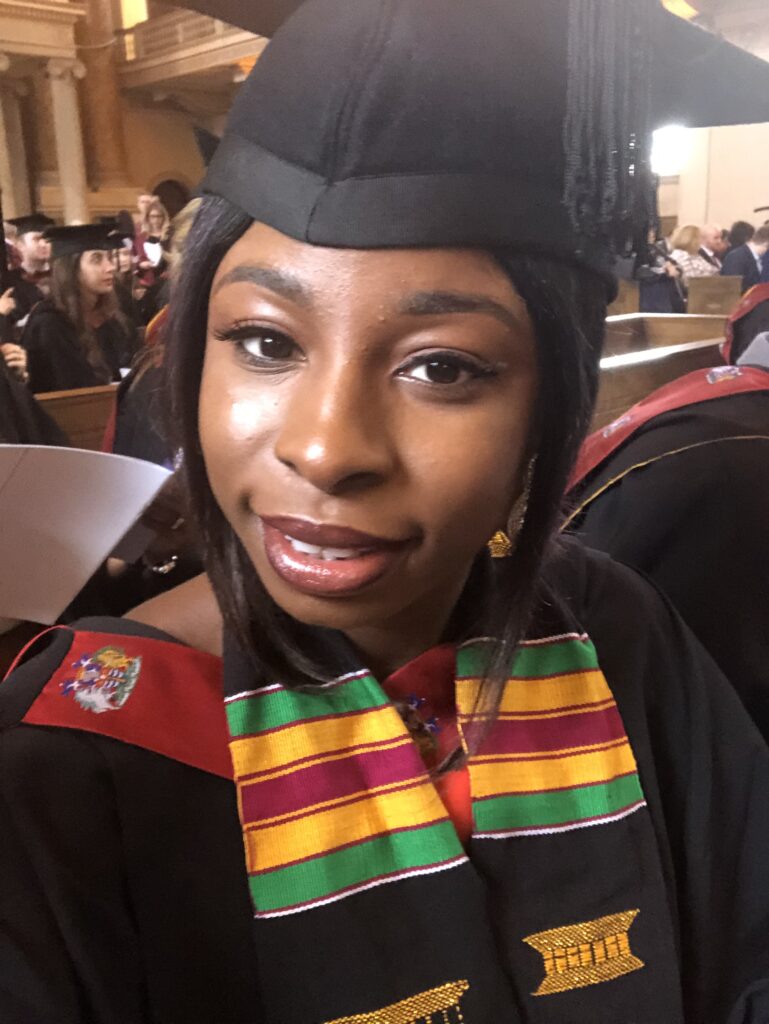
I found out I had dyslexia in my final year of my undergraduate degree. Looking back, GCSEs had been fine – I navigated those well enough. But as the demands grew, through A levels and into university, certain things started to feel harder in ways I couldn’t fully explain. I was putting in the work. I just didn’t always understand why it took the effort it did. There was no name for it. No framework. Just me, getting on with it – until I spoke to a tutor and a counsellor and actually sought help. That signposting made a difference.
Once I had the name for it, things started to make sense. Why certain complex content took longer to digest. Why I would miss words when typing unless I double-checked? Dyslexia affects different people differently. For some of my peers on the same course who found out earlier, that early identification became an advantage – they could access the support they needed and actually use it.
But here is something I want to say clearly: dyslexia does not define me. It is simply a learning difference that I – and many other people – navigate. It is part of why I believe in flourishing beyond labels. It is not only about neurodivergence. Labels get placed on all of us, in all kinds of ways. And I believe it is not possible for a label to define your intrinsic value – unless you allow it to. We have the capacity to rewire how we see things. We do not have to accept every general statement or widespread belief about who we are or what we are capable of. That is where critical thinking and discernment come in. That is my perspective. And it is the lens through which I heard Adunola’s story.
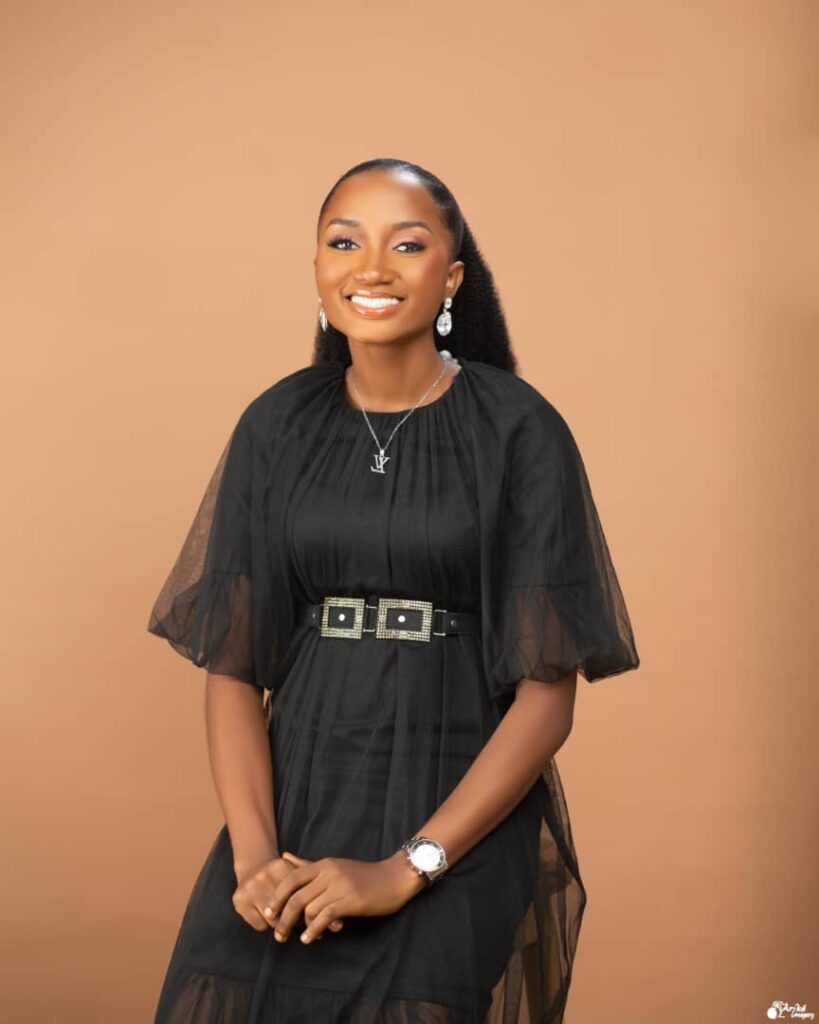
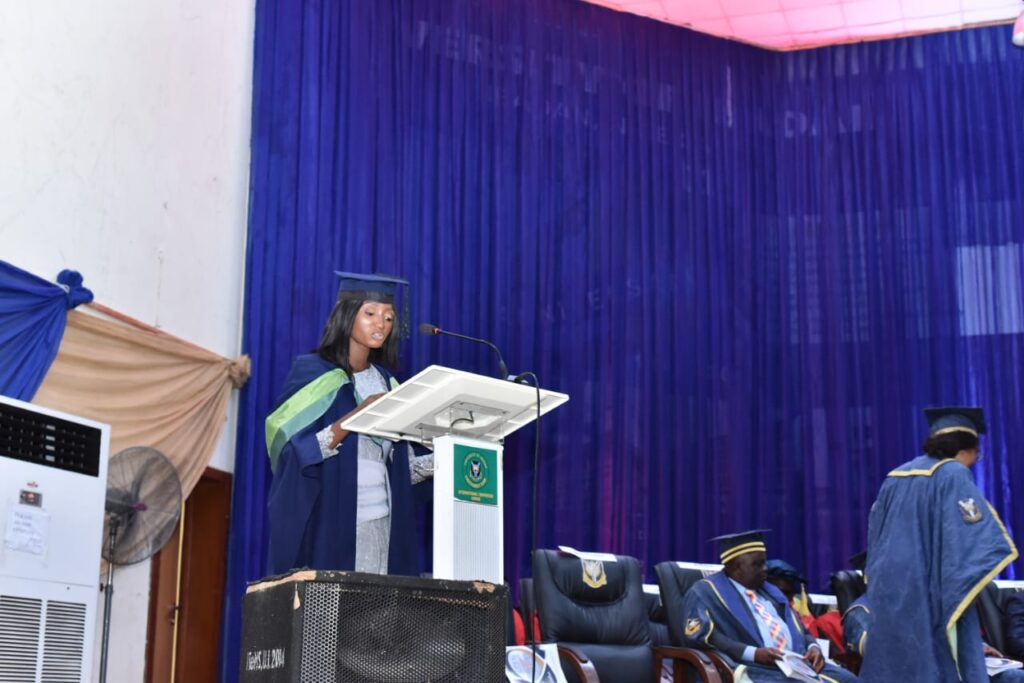
So when I had a conversation with Adunola – a young Black Nigerian woman who couldn’t read until she was ten and went on to become the best graduating student at one of Africa’s most prestigious universities – I wasn’t just interviewing her. I was also paying attention because I want to learn from her experience.
She calls herself A Dyslexic Achiever. Not a survivor. Not someone who overcame it. An achiever. And the moment she said that, something in me exhaled.
Adunola is a dyslexia coach, a founder, and someone who is advocating loudly, supporting tirelessly, and unapologetically championing children growing up with dyslexia in Africa. I left our conversation with shivers – not just because her story is extraordinary, but because it is also, in so many ways, a story about what happens when a child is failed by every system that was supposed to protect her. And what she chose to do about it.
Over the years I have worked with numerous Nigerian learners who came from Nigeria, as well as Black Caribbean and African students born in the diaspora – and what I’ve observed across many of those experiences is something I don’t think gets talked about enough. There is often an anxiety that comes with studying, with getting things wrong, with being seen to struggle. Part of that, I think, comes from a cultural expectation – one I recognise – that you show up prepared, that you do not look silly, and that you get it right. The pursuit of excellence is a beautiful thing. It has driven so many of us further than anyone expected. But when different learning styles and needs go unrecognised, when the adults and peers around a child don’t know how to support them – that pressure to be perfect can quietly crush a child who is already working twice as hard just to keep up.
Things are changing. Slowly, but they are changing. And conversations like the one I had with Adunola are part of why.
Her story is told in full across this three-part series. But before I bring you into her world, I want to set some context. Because where you grow up – the system you’re educated in, the culture around you, the awareness and support that does or doesn’t exist – shapes everything about how dyslexia is experienced. And the contrast between what I know from the UK and what Adunola lived through in Nigeria is something I think we need to acknowledge.
Two Systems. Learning Differences. Very Different Outcomes.
The UK system is far from perfect when it comes to dyslexia. Stereotypes existed – and in some spaces, still do. There have been teachers who assumed a dyslexic child was lazy, not trying, or simply not bright enough. There have been classrooms where a child’s struggles were misread as attitude. Awareness has grown enormously, but it hasn’t been evenly distributed. Not every school gets it right. Not every child gets what they need.
But here is what the UK does have: a framework. A legal one.
If a child in England is identified as having dyslexia or another learning difference, there is a process. Assessments. An Education, Health and Care Plan – an EHCP – legally sets out what support that child is entitled to. It becomes the shared responsibility of the school, educators, the SENDCO (Special Educational Needs and Disabilities Coordinator), parents, and interprofessional education (IPE) teams to ensure that those needs are effectively identified and met.
That might mean differentiated activities – tasks adapted to how that child learns best. It might mean extra time to process information, support with reading, specialist intervention, assistive technology, or one-to-one time with a learning support assistant and/or speech and language therapist.
It’s not perfect. EHCPs can be fought for and delayed. Not every school has the resources. Not every teacher has had adequate training. But the principle exists: if your child needs support, the system is supposed to provide it. An intervention, not an attack. Adapted learning, not shame.
And over time, the conversation in the UK has shifted – partly because of voices that have gotten louder and harder to ignore. People like Richard Branson and Jamie Oliver speaking openly about how dyslexia shaped the way they think and create. Kate Griggs founded Made By Dyslexia and gave the world the language of dyslexic thinking – a term now officially recognised across major professional platforms as a skill. The British Dyslexia Association is an organisation providing training, support and resources for individuals and families and professionals navigating this. And advocates like Marcia Brissett-Bailey are bringing culturally grounded, holistic perspectives to the conversation, making sure individuals from communities where dyslexia has historically been misunderstood or invisible are not excluded from these developments. Hannah Awonuga, who has spoken publicly about her experiences with dyslexia, helps to raise awareness. There are many more individuals and organisations advocating for neurodiversity awareness and inclusion whose contributions are equally valuable – feel free to share others in the comments
What all of these voices have in common – across different backgrounds, different levels of impact, and different ways the learning difference shows up in their daily lives – is that they lead with strength. They do not deny that dyslexia is challenging. They do not pretend it doesn’t create real and daily difficulties. But they show what is possible when a person with dyslexia is supported, believed in, and given permission to be themselves.
What Happens When None of That Exists
Now imagine growing up in a system where none of that framework exists. Where dyslexia awareness is so low that teachers don’t know the word, let alone what to do with it. Where a child who can’t read yet is not assessed – she is punished. Where struggling to learn is not seen as a signal to investigate but a character flaw to be corrected through fear, humiliation, or in some cases, physical force.
That is the Nigeria that Adunola grew up in.
And I want to be careful here, because her story is her truth – it is not the definitive experience of every Nigerian child, every African classroom, or every teacher on the continent. Systems are complex. People within them are complex. There are extraordinary educators across Africa doing remarkable work with limited resources. There are parents who fought fiercely for their children. There are pockets of awareness and compassion that exist even where formal structures do not.
But Adunola’s experience is real. And it is not rare.
She could not read until the age of ten. She was rejected by multiple schools. She was beaten by teachers. She was told – to her face, as a child – that she had a spiritual problem and needed deliverance. She was pulled out of school for weeks while her classmates moved forward, her mother taking her to church because a teacher had convinced her this was not a learning difference; it was a spiritual one.
And through all of that – she survived. She more than survived.
But before I share how, I need you to understand what it cost her. What it cost a little girl who was good at drawing, who had a ferocious mind, and who had integrity so deep she refused to cheat even when a teacher set her up to do exactly that!
Connect with Adunola
LinkedIn: https://www.linkedin.com/in/adunola-shoge/
Instagram: https://www.instagram.com/adunola_shoge
This is Post 1 of a 3-part series. Post 2 When Dyslexia Was Mistaken for a Spiritual Problem
Post 1: She Faced Reading Challenges – Then Became Her University’s Best Graduate.
Post 2: When Dyslexia Was Mistaken for a Spiritual Problem
Post 3 : The Dyslexic Achiever: What She Built Beyond Survival
If this resonated with you, share it, save it, or drop a comment below. I’d especially love to hear from anyone who has navigated a learning difference or who supports someone who has. Your experience matters here.
Discover more from Thrive Beyond Labels
Subscribe to get the latest posts sent to your email.