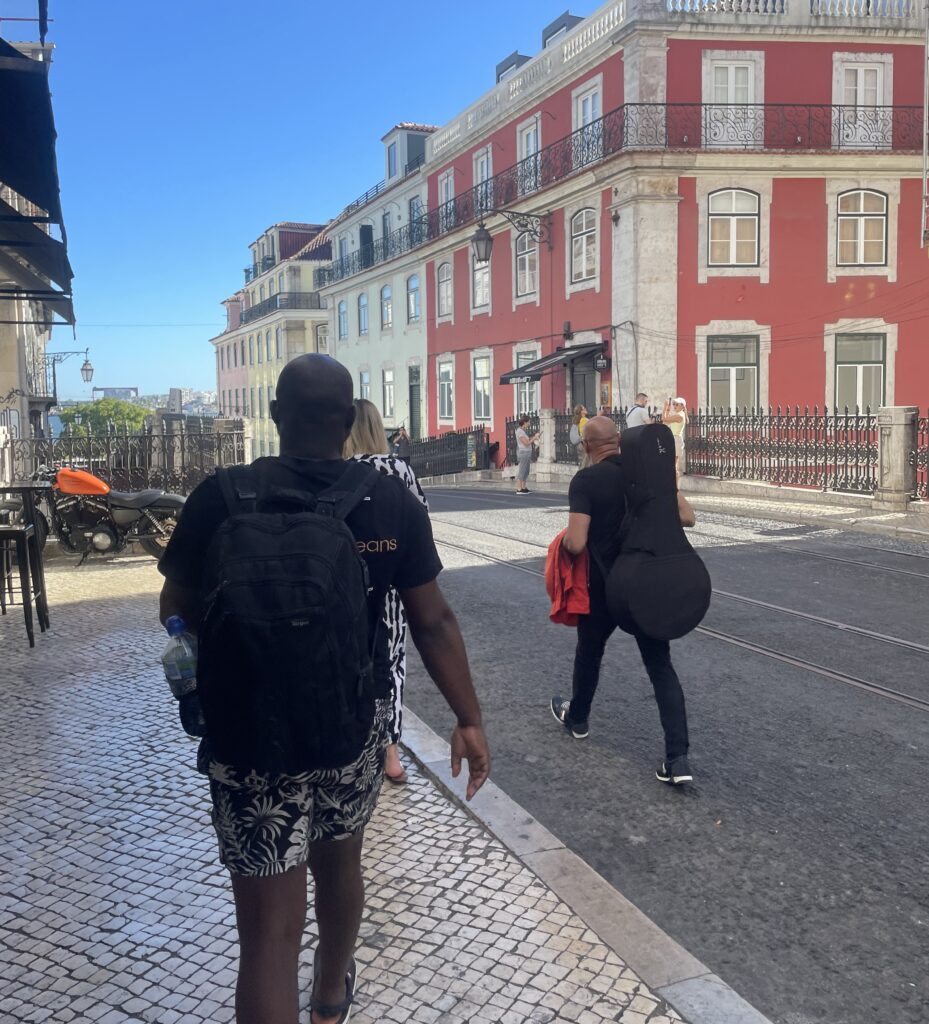
Can Social Media Actually Help Us Learn?
When people discuss social media, the conversation usually leans negative: distraction, comparison, and misinformation. But there’s another side that often gets overlooked: learning and opportunity share valuable content.
More and more young people, especially GCSE students and Gen Z learners, are turning to platforms like YouTube and TikTok to prepare for exams and to understand not only academic content but also mindset, personal development, learning new skills, health, faith, relationships, personal finance, investing, and building wealth. They are very aware of the need to take personal growth seriously and build strong habits from a young age.
Social media platforms like YouTube and TikTok are not just there to help students pass exams. They can also support habits that help young people create the life they desire. It is not only about consuming content, but also about producing content and building something valuable, not just locally but globally. It also allows them to see visible representation of what is possible, especially within certain ethnic minority communities.
Learning Beyond the Classroom
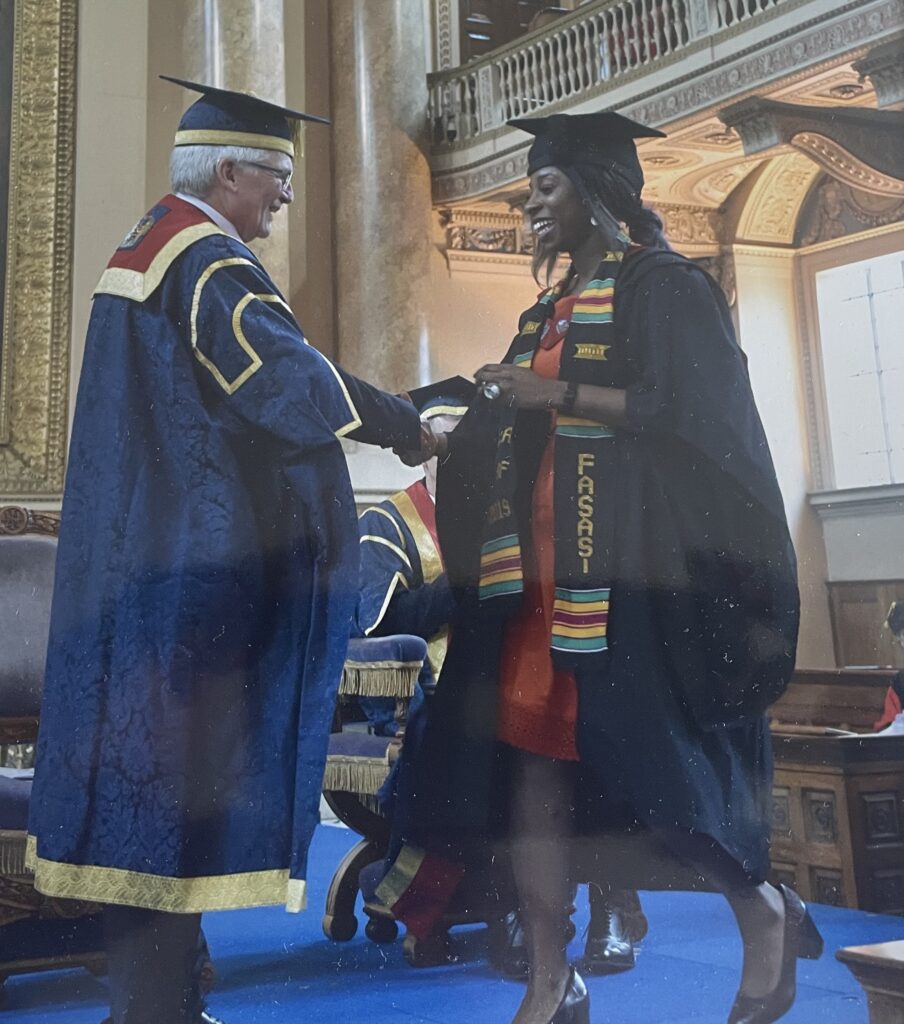
Traditional education does not always cover everything we need in real life.
Many of us were not taught how to manage money, how investing works, how to build wealth over time, how to protect our mental and physical health, how to build healthy relationships, or how to grow in faith and character.
But when you go through social media with intention, you can find creators and podcasts sharing practical, high-quality content that helps fill those gaps.
For physical and mental health, there are voices like Dr Eric Berg, Aproko Doctor, and the To My Sisters podcast, just to name a few. For faith and relationships, there are podcasts like With The Perrys and Faith Talks with Deborah B. For financial literacy and wealth building, there are channels like The Humble Penny and Savvy Wallet and podcasts like Bread and Butter, Building Wealth Beyond Borders, Asset Avenue, Mr Money Jar, and Diary of a CEO.
There is genuinely good content out there.
I was recently talking to a friend, and we were discussing how important it is to be mindful of what we allow our ears to hear and who we give access to our minds. The voices we listen to can shape our thinking, influence our decisions, and impact the direction our lives take, especially our overall development.
Yes, there is a lot of superficial content online. But in the middle of all that noise, you can still find genuine, practical conversations that edify and help you grow.
It is up to each individual to decide what they consume. But we also need to teach young people and lead by example so they are more likely to choose value over pure entertainment and random distractions.
There needs to be balance.
Social media can be addictive, so it is important to teach digital hygiene. Set time limits; be intentional about when and why you go online; and ask simple questions like, “Am I just bored and passing time? Or am I searching for something useful that will help me and others grow?”
Why Social Media Learning Works
There’s a reason this type of learning sticks.
It is not forced. It is chosen.
You follow what interests you. You build a feed that reflects your goals. Over time, your algorithm becomes a personalised classroom.
Unlike traditional learning, this kind of learning meets you where you are. It uses simple, relatable language, shows real-life examples, and encourages action, not just theory. You are not just consuming information; you are seeing it lived out.
The Role of Representation and Real Stories
One of the most powerful aspects of learning through social media is seeing people who feel relatable.
When people share their education, career, personal and financial journeys, mistakes, and lessons, learning starts to feel possible. You begin to think, If they can do it, maybe I can too.
That mindset shift is powerful.
But It’s Not Perfect
Of course, not everything online is accurate.
There is misinformation, pressure to achieve quickly, and a lot of highlight reels that do not reflect reality. Even people who appear successful may struggle behind the scenes. High income does not always equal well-being.
That is why critical thinking is essential.
Follow credible voices. Cross-check information. Remember that not everything you see is the full story.
Learning for Different Minds
Social media learning can also be more accessible, especially for neurodivergent learners.
Some people process information differently, learn better through visuals or storytelling, or need more flexibility. Social media allows for pausing, replaying, and learning at your own pace. It removes pressure, and that makes learning more inclusive.
From Knowledge to Action
Learning is not just about knowing more. It is about putting it into practice.
And this does not only apply to finances. It applies to faith, health, relationships, career, and personal growth.
I speak as someone who is constantly learning and adapting, not a perfect person. I am on a journey, as we all are.
You can only teach what you practice.
Real learning happens when knowledge turns into habits.
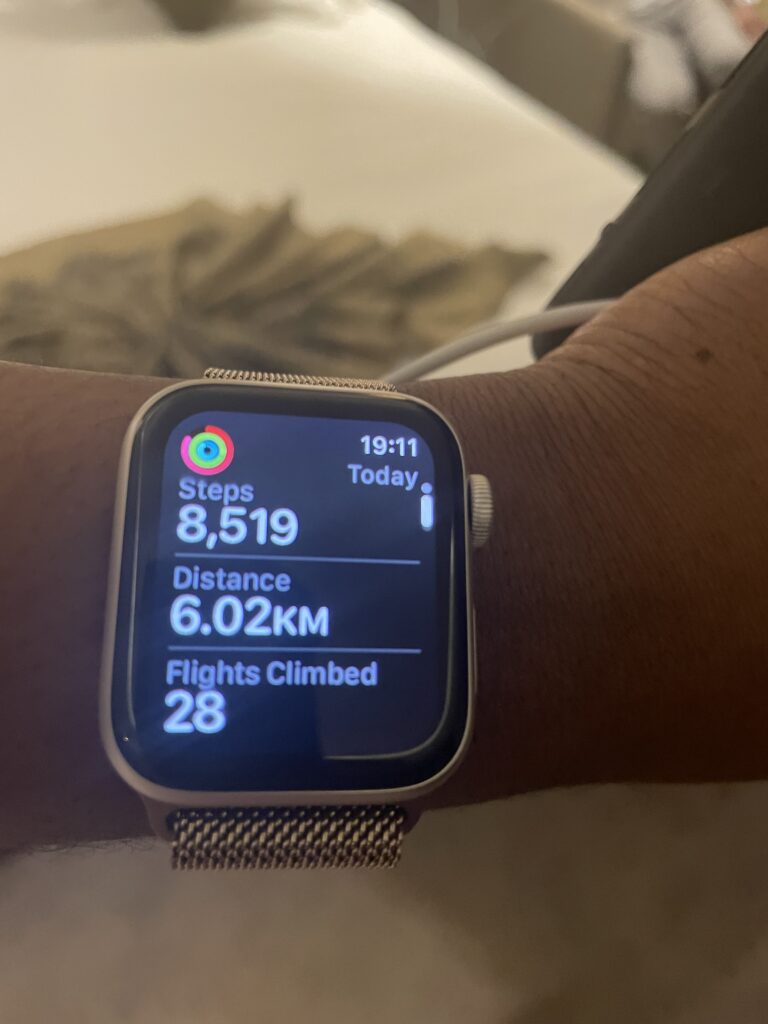
Start with simple, practical steps. Save automatically, even if it is a small amount. Track your spending weekly. Walk daily, drink more water, and use the Pomodoro technique (focus on one task for 25 minutes and take a 5-minute break) to study or work in focused blocks. Check in on loved ones, forgive quickly, and choose friendships that support growth. If you are studying for exams, revise in small chunks every day instead of cramming.
Sleep also matters more than many people realise. During sleep, your brain consolidates memory, which means what you learned during the day is processed and stored. Poor sleep can reduce focus, affect memory retention, and increase stress. You can use a smart device or app to track your sleep and improve your routine over time.
For neurodivergent learners, it can help to use visual aids, break tasks into smaller steps, study in shorter bursts, and use audio learning where helpful. The goal is not perfection. It is consistency in a way that works for you.
Small steps matter.
Every day may not be perfect, but at least you know you tried, and you will not live a life of what ifs.
My Personal Reflection

Some of the most valuable lessons I have learned did not come from a classroom.
They came from conversations, social media, observing others, experimenting and asking questions. Even simple habits, like saving money regularly, came from real-life influence.
What you see shapes what you believe is possible.
The Bigger Picture: Education Needs to Evolve
Academic success does not always equal real-life understanding.
We need more practical education, more accessible tools, and more real-life application.
Because knowledge alone is not enough. Habits and mindset matter.
Pause and Reflect
What are young people learning…
And what are they doing with it?
Start small. Stay intentional.
Growth is not about knowing more.
It is about becoming more disciplined, more aware, and more intentional
If this resonated, share your thoughts in the comments, connect on LinkedIn, or send us an email.
If you know a young person who would benefit from 1:1 tutoring, mentoring, or coaching, feel free to reach out. The right support at the right time can shape confidence, direction, and long-term growth.
Discover more from Thrive Beyond Labels
Subscribe to get the latest posts sent to your email.